A personal introduction
Hello. I’m Menelek.
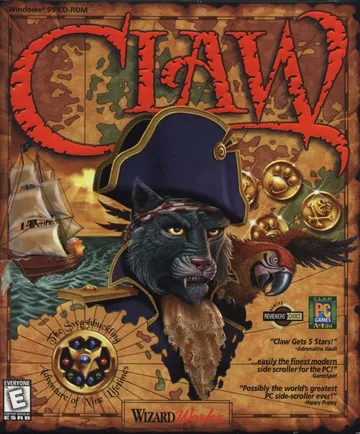
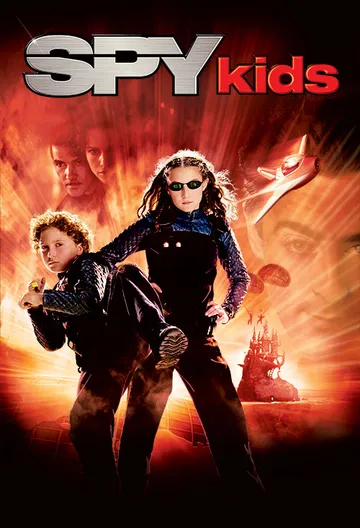
I was about thirteen and playing Captain Claw when my stepmother told me to write a story. I’d just seen Spy Kids, so I wrote about three brothers who spent their weekends as spies. They were always right and always won. It took me a while to realise how much more interesting a story gets when the hero can lose.
French comics taught me how much a single picture can carry. Ghanaian traditions gave me stories and figures I still think with, from the Okyeame to the Red Hunter of Dagbon. Those influences run through the scenes I write, the films I direct and the tools I build for people making stories of their own.
What I’m building
I founded ICUNI Group to make room for the different kinds of work I wanted to do. ICUNI Studios makes live-action and AI-assisted films. ICUNI Labs builds software, business systems and automations. ICUNI Play gives developers who build with AI a place to share their games.
I champion Human-First AI and teach it through ICUNI Starterclass. I want people to be able to see what an AI tool did, change its work and carry on when it’s unavailable.
The Loremaker Universe is where my original stories take shape across books, films and games. I’m also building Ordinator to keep story decisions visible from the first draft through production.
Work with meSay helloI write and direct films about people whose lives are changed by something extraordinary.
The Painted GoddessA personal history
The worlds that shaped mine.
These are the stories I grew up with, the worlds I return to, and the creators who changed how I think about my own work. Some made me want to write; others showed me what a story could become.
“One weekend, when I was about thirteen, I was playing Captain Claw on the computer. My stepmother told me to write a story. I suspect she had simply had enough of watching me play.”
Chapter 01How I started creating
One weekend, when I was about thirteen, I was playing Captain Claw (opens in a new tab) on the computer. My stepmother told me to write a story. I suspect she had simply had enough of watching me play.
I had recently seen Spy Kids (opens in a new tab), so my story was about three brothers who were spies and did cool things on their weekend. My heroes were always right, always won, and dealt with the villain easily. It was the kind of story a child might write after discovering he could make one up.
She never read it. What stayed with me was the moment itself: I had opened a blank WordPad document and filled it with a story of my own. I could make something that had not existed before.
Afterwards, I started drawing a robot in Microsoft Paint. I gave him a flaming sword, put him in different places, drew enemies and imagined his adventures. I cannot remember his name, or the name of that first story, but I remember the pleasure of making them.
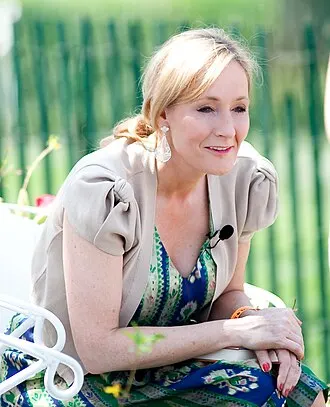
My stepmother got me started; J.K. Rowling (opens in a new tab) showed me where a story could go. Seeing books become films made me want my own stories to make that journey. At school, I became known for writing in my notebooks when I should have been listening, usually about a character, a superhero or something supernatural.
That urge to keep making stories eventually led to my first universe, Ethnic Comics, before much of it became part of Loremaker.
Chapter 02My first other worlds
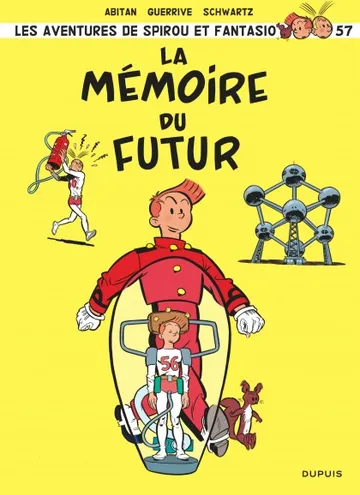
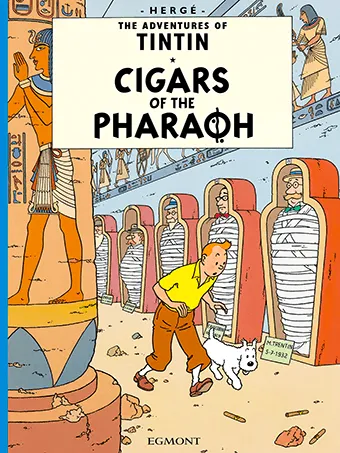
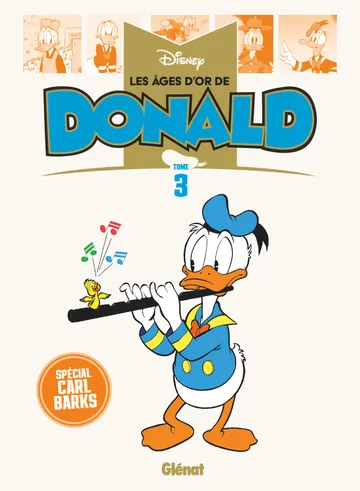
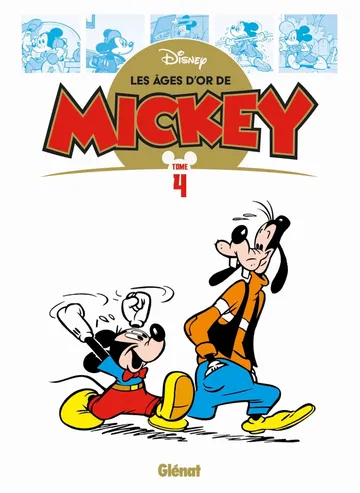
I grew up with hand-me-down French comics from the 1970s, 1980s and early 1990s: Spirou et Fantasio (opens in a new tab), Tintin (opens in a new tab), and Disney (opens in a new tab) adventures with Mickey Mouse and Donald Duck. The words helped me learn French, but so did the expressions and body language. I could follow what people felt even when I did not yet understand every sentence.
I had never been to France. Those books gave me a partial picture of a place I had not experienced, along with its cultural references, and made it feel familiar.
The Disney (opens in a new tab) stories I remember could be mysteries, adventures or noir, with a maturity people might not expect. I knew the characters by their French names. Once I picked up a book, I did not want to stop. They often moved like films, and that relationship between pictures and storytelling stayed with me long before I thought seriously about filmmaking.
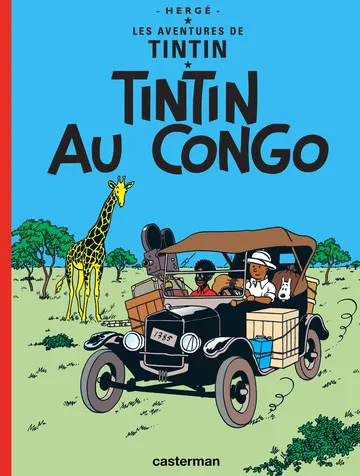
I also read Tintin au Congo (opens in a new tab). As a child, I enjoyed seeing a character I already followed having an adventure in Africa. I did not recognise the racial framing at the time; I was following the story.
As an adult, I can see the racist colonial stereotypes in it, and I understand why people criticise them. My own memory of first reading it is still of the adventure and the excitement of seeing Africa in a comic I knew.
Chapter 03Books and the possibility of a film
A world on the page and screen
At thirteen, three of my favourite books were The Wizard in the Woods (opens in a new tab), The Worst Witch: Miss Cackle’s Academy for Witches (opens in a new tab), and Harry Potter and the Philosopher’s Stone (opens in a new tab). I also loved the rest of Jean Ure (opens in a new tab)’s Wizard trilogy (opens in a new tab): Wizard in Wonderland (opens in a new tab) and The Wizard and the Witch (opens in a new tab).
The first Harry Potter (opens in a new tab) book I read was The Chamber of Secrets (opens in a new tab). Later I watched The Philosopher’s Stone (opens in a new tab) in French. Seeing a world I knew from books on a cinema screen made adaptation feel possible.
Rowling (opens in a new tab)’s success made me ambitious for my own stories. I loved the thought that a magical universe could begin on a page and one day be experienced by an audience together.
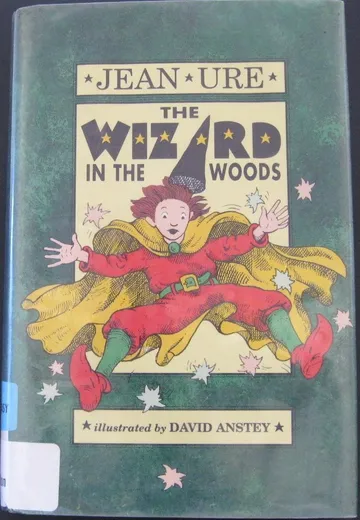 The Wizard in the Woods Jean Ure / David Anstey / Walker Books (opens in a new tab)
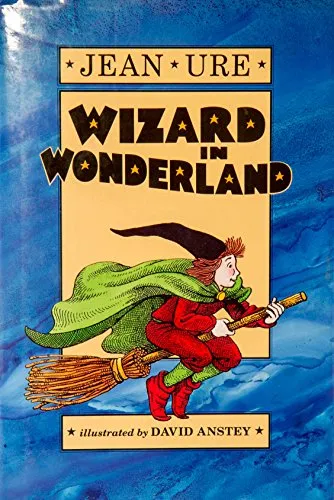 Wizard in Wonderland Jean Ure / David Anstey / Candlewick Press (opens in a new tab)
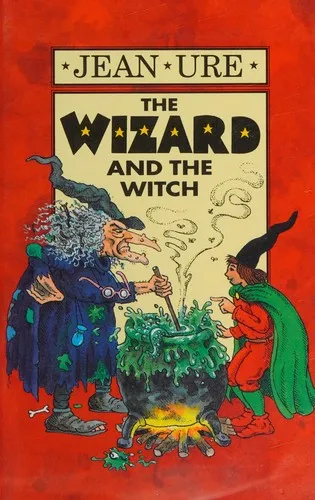 The Wizard and the Witch Jean Ure / David Anstey / Walker Books (opens in a new tab)
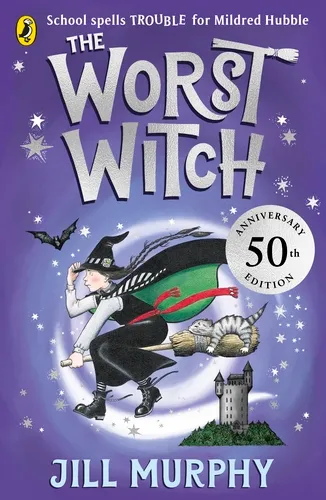 The Worst Witch Penguin / Jill Murphy (opens in a new tab)
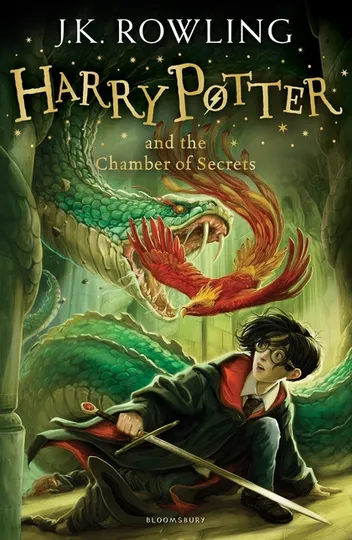 Harry Potter and the Chamber of Secrets Bloomsbury / J.K. Rowling / Jonny Duddle (opens in a new tab)
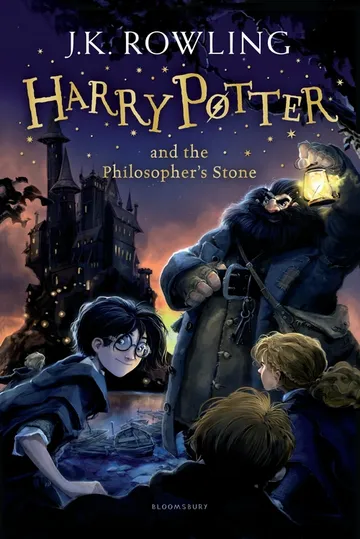 Harry Potter and the Philosopher’s Stone Bloomsbury / J.K. Rowling (opens in a new tab)
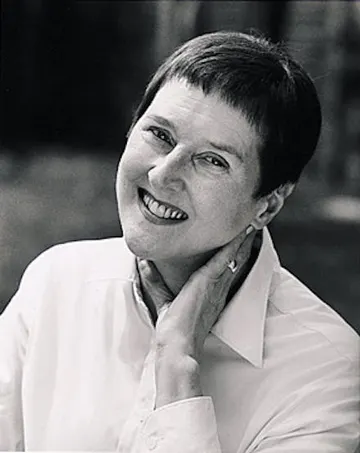 Jean Ure Hachette Aotearoa (opens in a new tab)
Returning to Wardstone (opens in a new tab)
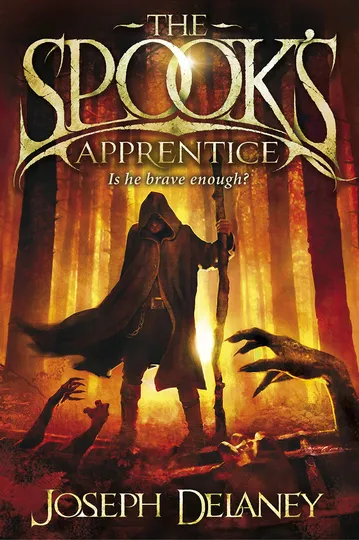
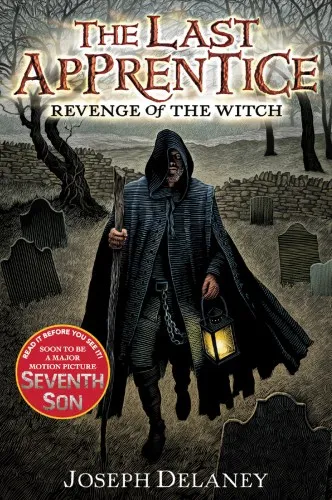
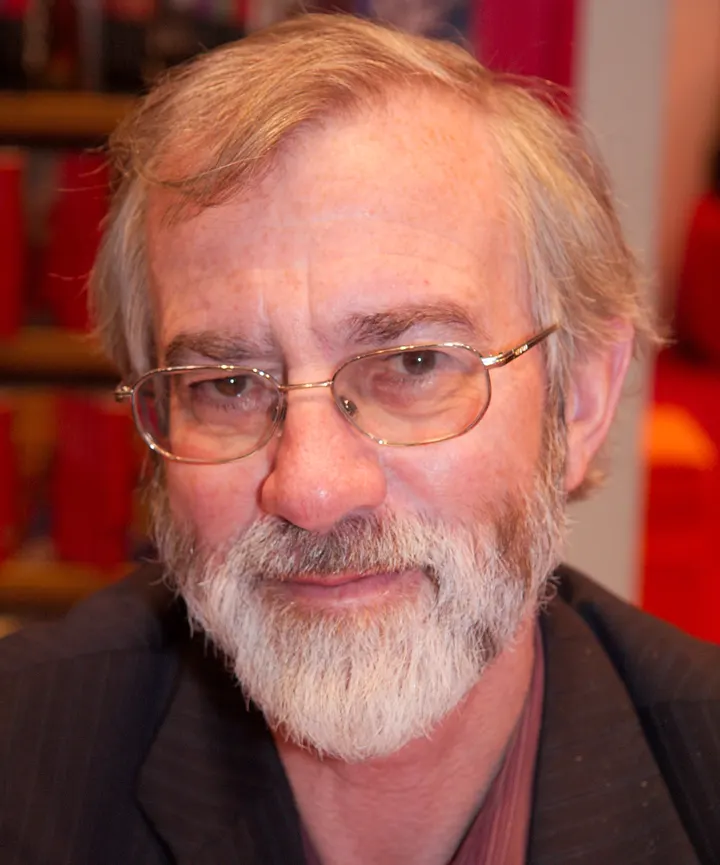
Joseph Delaney (opens in a new tab)’s The Wardstone Chronicles (opens in a new tab) became a different kind of attachment. I started with the second book and kept going, then returned to the beginning on a later reread. I have returned to the series each year since 2018 and now listen on Audible too.
I love how grounded it feels. Gregory has principles; Tom is curious, decent and often unable to leave something alone. He tries to be good, makes mistakes, gets back up and learns. The story begins small and grows around him.
The ordinary things matter too: breakfast, food, journeys and the English countryside. The books let me spend time in a version of Britain through someone else’s life before I lived here myself.
If I ever had the chance to adapt Wardstone (opens in a new tab), I would want to keep its British identity, geography and emotional logic. The apprenticeship needs time before the larger conflicts take over. Gregory’s past should matter, and Tom, Alice and Grimalkin should feel like people whose choices connect. Even a relationship that begins with something as ordinary as a ginger cat deserves its eventual payoff.
Chapter 04When the hero can lose
Game of Thrones (opens in a new tab)
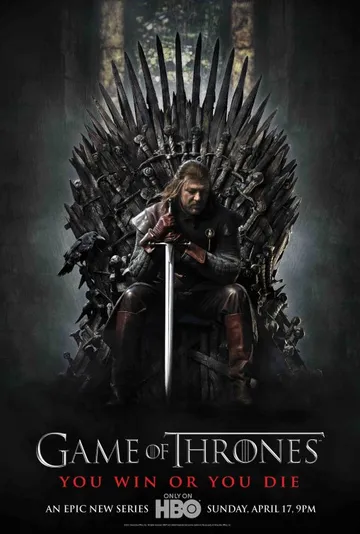
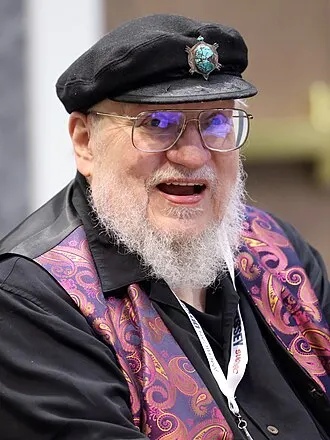
George R. R. Martin (opens in a new tab) changed the way I thought about a hero’s place in a story. When Ned Stark died in the ninth episode of Game of Thrones (opens in a new tab) season one, I was shocked and angry. My reaction was: you cannot do that. You cannot kill the hero at the end of the first season.
I stopped watching for about a year. Until then, my own heroes were often right and destined to win. That episode made me question the protection I gave them. A hero can be wrong, fail or die, and the story can continue with consequences that make it more powerful.
My all-time favourites include the first five seasons of Game of Thrones (opens in a new tab), Breaking Bad (opens in a new tab) and the first three phases of the Marvel Cinematic Universe (opens in a new tab).
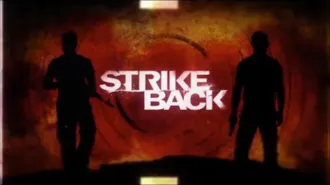
Strike Back (opens in a new tab) and the cost of a hero
My dad recommended Strike Back (opens in a new tab) after I had finished secondary school. We watched the first season together, and I thought it was epic and badass. John Porter was the hero I had followed through that story.
Years later, I watched the first episode of season two on my own. Porter was shot in the head and killed on screen. It shocked me, but it also lost me: that moment rather ruined the second season for me.
Both deaths upset me. With Game of Thrones (opens in a new tab), I eventually came back and saw how Ned’s death set consequences in motion and carried the story forward. With Strike Back (opens in a new tab), losing Porter so abruptly left me less interested in the story that followed. A bold death can change a story; whether it makes you want to stay with that story is another matter.
A place in the Justice League (opens in a new tab)
At fifteen, my favourite TV programmes were Justice League (opens in a new tab) and Justice League Unlimited (opens in a new tab), The Batman (2004) (opens in a new tab), and Static Shock (opens in a new tab). I also like Beware the Batman (opens in a new tab). I later came to recognise Bruce Timm (opens in a new tab)’s influence, while appreciating the wider group of DC creators behind these worlds.
One Sunday in my early teens, I watched the two-part Justice League (opens in a new tab) story ‘Secret Society (opens in a new tab)’ on Cartoon Network. John Stewart’s Green Lantern stood alongside Superman, Batman and Wonder Woman. He was unhappy with how the team was working and willing to walk away when he could no longer see a future there.
Seeing a Black man there, with his own standards and a voice of his own, meant a great deal to me. It helped me imagine standing in the same room as white men and women without being intimidated. I do not think representation needs to diminish anyone else; I remember how much confidence John Stewart gave me.
I did not have the comic books, so I read about the characters on Wikipedia. One character led to another, then another story, until I could see how a universe fitted together. That way of thinking is connected to Loremaker: characters in different places, each living through part of a larger story. Green Lantern is an influence people may recognise there.
The Batman (2004) (opens in a new tab) gave me a version of Batman I loved: efficient, up against wonderfully comic-book enemies, and at home in a fantastical world. Beware the Batman (opens in a new tab) made me appreciate a more grounded take. I also enjoyed the animated Batman: Year One (opens in a new tab) for how grounded that story feels.
Static Shock (opens in a new tab) was personal in a different way. It was a Black kid as a superhero, in a show that took social issues seriously. Seeing Anansi the Spider (opens in a new tab), and then seeing Static visit Ghana, meant a great deal to me. I was excited to see a part of home represented there.
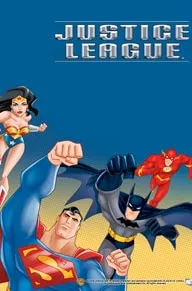 Justice League DC (opens in a new tab)
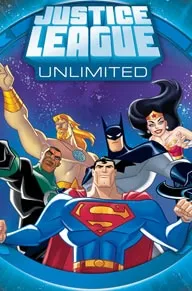 Justice League Unlimited DC (opens in a new tab)
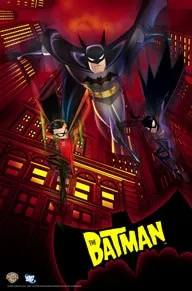 The Batman DC (opens in a new tab)
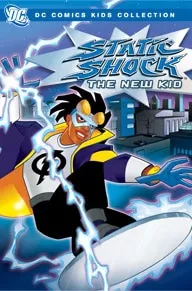 Static Shock DC (opens in a new tab)
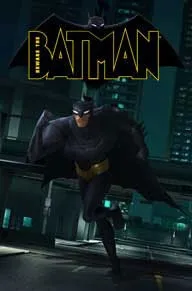 Beware the Batman DC (opens in a new tab)
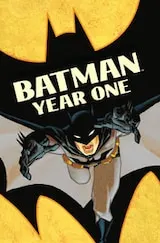 Batman: Year One DC / Warner Bros. (opens in a new tab)
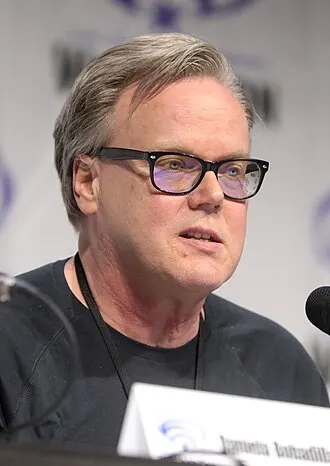 Bruce Timm Gage Skidmore / CC BY-SA 3.0 (opens in a new tab)
- Static in Africa DC (opens in a new tab)
Masks, consequences and Vigilantes
Kick-Ass (opens in a new tab), The Green Hornet (opens in a new tab) with Seth Rogen (opens in a new tab), and James Gunn (opens in a new tab)’s Super (opens in a new tab) stayed with me because they felt human. These were people in something like the real world putting on masks, trying to fight crime and dealing with the mishaps and consequences that followed. I loved how grounded those stories felt, even when they were messy or brutal.
That attraction led me to create Vigilantes: a gritty, grounded story planned across five books and five seasons, about people who take that same extraordinary step in an ordinary world. The first book, Vigilantes: Dawn of the Vigilantes, is published on Amazon.
Breaking Bad (opens in a new tab) shaped another part of that story. I was fascinated by Walter White setting out to do good and gradually becoming someone he no longer recognises. Vigilantes has many protagonists and antagonists, but its central character travels a similar moral journey.
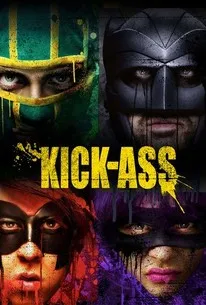 Kick-Ass Lionsgate / Rotten Tomatoes (opens in a new tab)
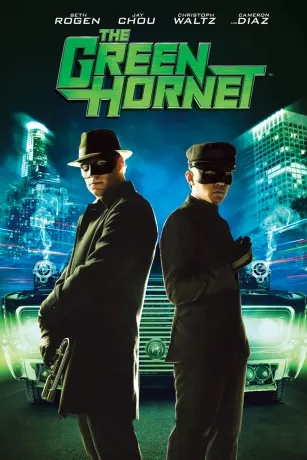 The Green Hornet Sony Pictures / Columbia Pictures (opens in a new tab)
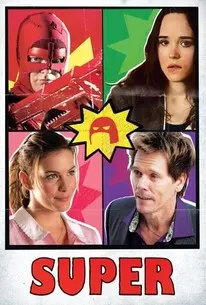 Super IFC Films / Rotten Tomatoes (opens in a new tab)
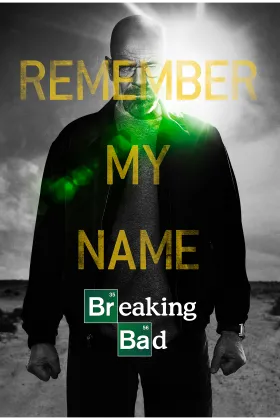 Breaking Bad Sony Pictures (opens in a new tab)
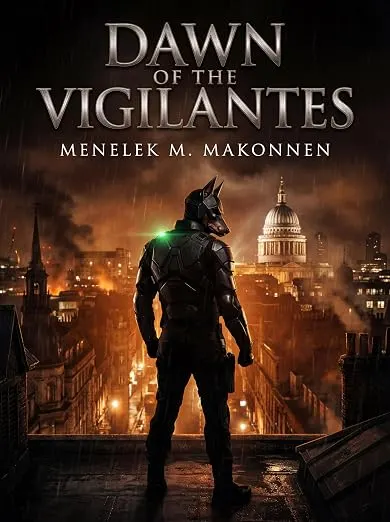 Vigilantes: Dawn of the Vigilantes Menelek Makonnen
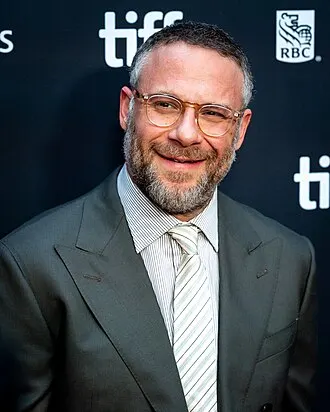 Seth Rogen Jay Dixit / CC BY-SA 4.0 (opens in a new tab)
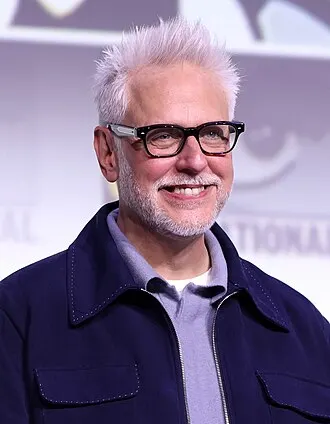 James Gunn Gage Skidmore / CC BY-SA 3.0 (opens in a new tab)
Chapter 05The reward for staying with a world
The first three phases of the Marvel Cinematic Universe (opens in a new tab) are among my favourites. Avengers: Infinity War (opens in a new tab) is my favourite film because of everything it brings together. My friends and I had followed the Marvel characters before the first Avengers film, so seeing them share a screen was an event. My friends knew the stories I wrote and would tell me that one day I would make films like that.
By Infinity War (opens in a new tab), we had watched those characters grow, fail, succeed and keep trying. The film rewarded that investment. They felt powerful and recognisable without losing what made each one worth following. Avengers Assemble (opens in a new tab) and the first Iron Man (opens in a new tab) are favourites too.
Thor arriving in Wakanda with Rocket and Groot is a scene I will never tire of. ‘Bring me Thanos!’ still lives in my head. Then the heroes lose. They do their best, and it is not enough. That lands with me because effort does not guarantee victory; the loss leaves you wondering how anyone can move forward.
I was disappointed by how later films resolved the story, particularly the time travel in Endgame (opens in a new tab), but that does not take away what Infinity War (opens in a new tab) achieved for me. I appreciate Age of Ultron (opens in a new tab) more in retrospect too, because of how much it set up.
In my own work, I want relationships, details and events to have time to develop before they come together, so that the meeting feels earned.
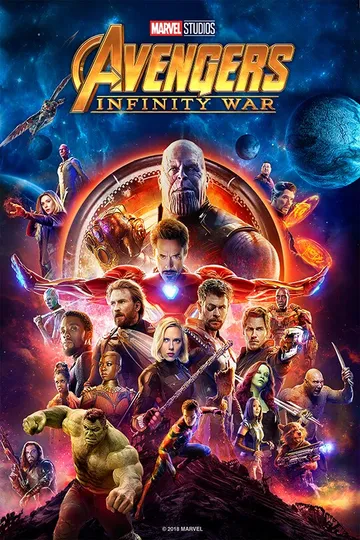 Avengers: Infinity War Marvel / Disney (opens in a new tab)
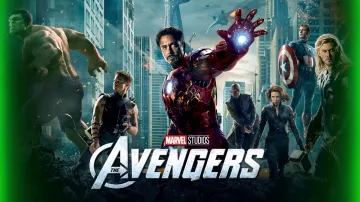 Avengers Assemble Marvel / Disney (opens in a new tab)
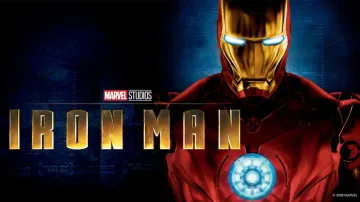 Iron Man Marvel / Disney (opens in a new tab)
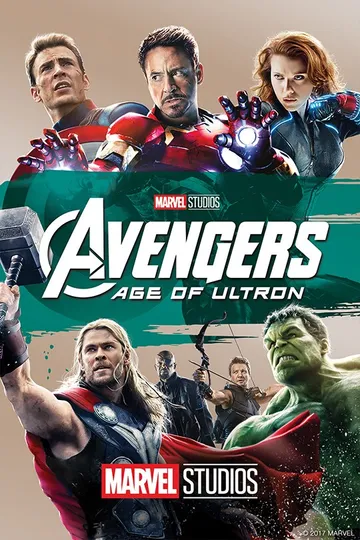 Avengers: Age of Ultron Marvel / Disney (opens in a new tab)
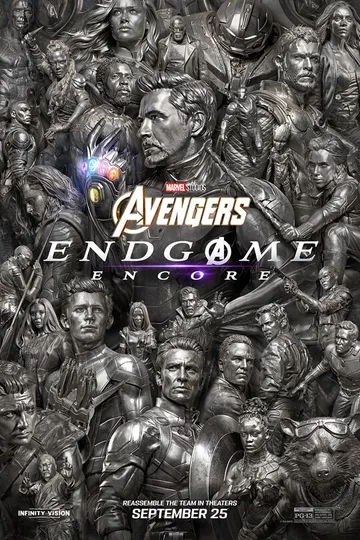 Avengers: Endgame Marvel / Disney (opens in a new tab)
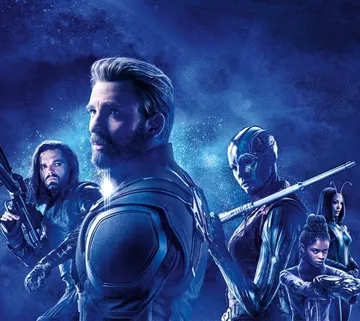 Marvel Cinematic Universe Marvel / Disney (opens in a new tab)
Chapter 06Editing, energy and anime
Films that move
I return to Edgar Wright (opens in a new tab) and Guy Ritchie (opens in a new tab) for the pleasure of watching a film move. Scott Pilgrim vs. the World (opens in a new tab) made a particular impression on me. I loved the editing in King Arthur: Legend of the Sword (opens in a new tab) as well, even where I felt the storytelling did not flow as well.
Matthew Vaughn (opens in a new tab)’s Kick-Ass (opens in a new tab) and Kingsman (opens in a new tab) have an energy I find entertaining. With Christopher Nolan (opens in a new tab), it is his discipline as a filmmaker that I admire.
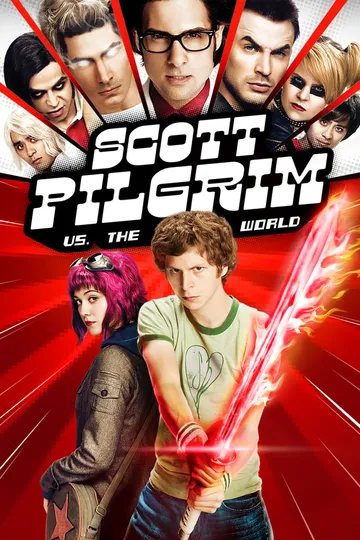 Scott Pilgrim vs. the World Universal Pictures (opens in a new tab)
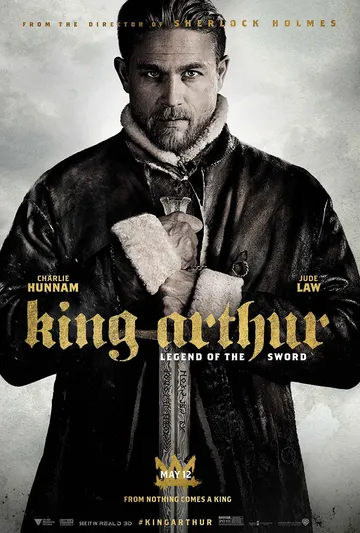 King Arthur: Legend of the Sword Warner Bros. Pictures (opens in a new tab)
- Kick-Ass Lionsgate / Rotten Tomatoes (opens in a new tab)
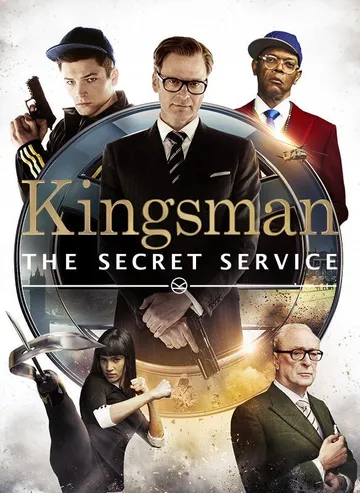 Kingsman: The Secret Service 20th Century Studios / Marv (opens in a new tab)
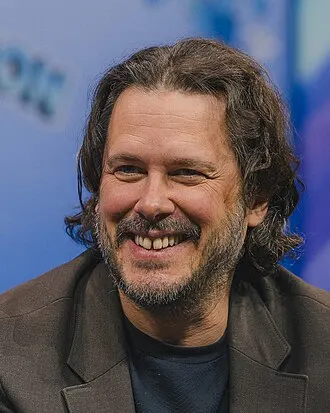 Edgar Wright John Manard / CC BY-SA 4.0 (opens in a new tab)
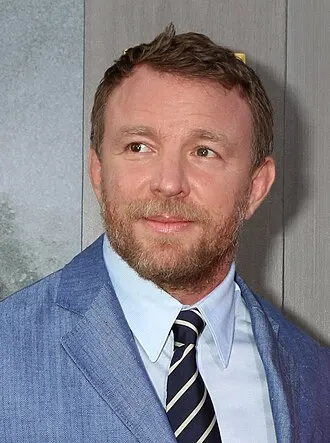 Guy Ritchie Kathy Hutchins / CC BY-SA 4.0 (opens in a new tab)
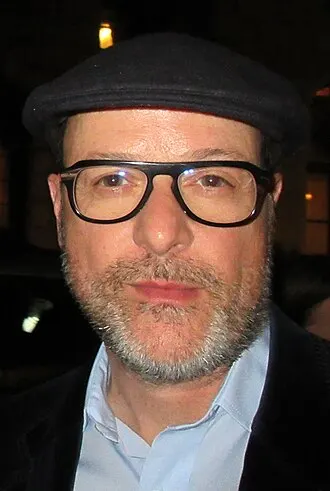 Matthew Vaughn Greg2600 / CC BY-SA 2.0 (opens in a new tab)
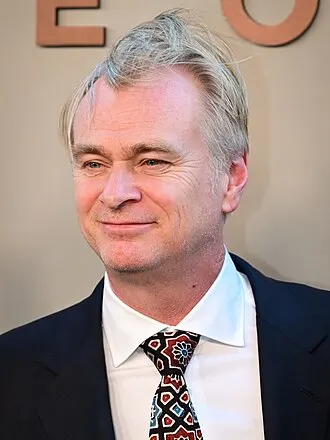 Christopher Nolan Philip Romano / CC BY-SA 4.0 (opens in a new tab)
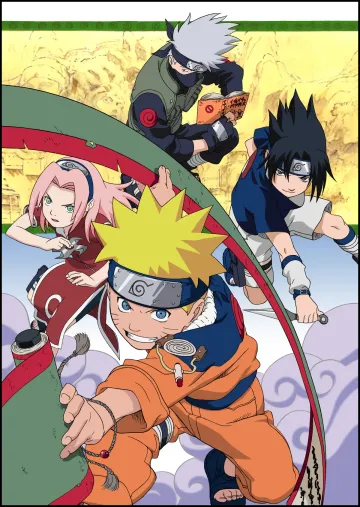
Naruto (opens in a new tab)
Naruto (opens in a new tab) is the anime I became most invested in. Friends at secondary school kept telling me to try it. I eventually started with the manga, could not put it down, and later watched the animated series too.
I do not feel strongly about the dub-versus-sub debate. I prefer watching the action while listening in English; the story and the experience matter more to me than choosing a side.
Chapter 07Losing a world, then making it your own
Final Fantasy VI (opens in a new tab) and The Last Ochiyamie
Final Fantasy VI (opens in a new tab) is one of the best stories I have experienced in a game. I played it, and all the other games I mention here, on PC. You spend time with its characters and their journeys, then everything changes. They lose, and have to find a way to rebuild in a changed world.
I love the ensemble and the relationships tying each character to the larger story. Gau is my favourite: his ability to learn from beasts and use their abilities always caught my imagination.
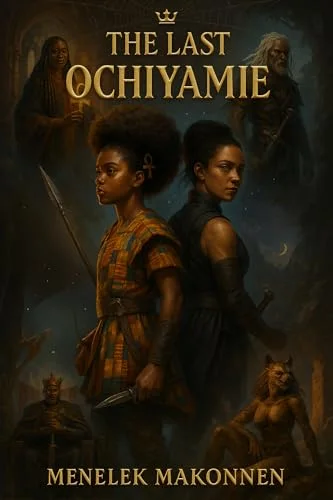
That structure runs through The Last Ochiyamie in the Loremaker Universe. I build an intricate world, smash it, and rebuild it anew in Book 2. Final Fantasy VI (opens in a new tab) is a direct influence on that journey.
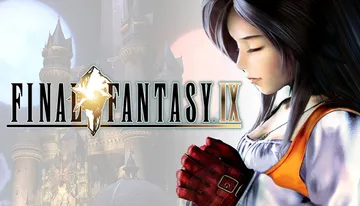
Final Fantasy V (opens in a new tab) and Final Fantasy IX (opens in a new tab) are part of my gaming history too.
Age of Empires (opens in a new tab)
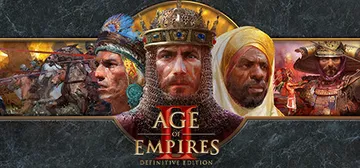
I first played Age of Empires II (opens in a new tab) on an uncle’s PC in my early teens, and I was obsessed. Watching a civilisation grow from settlers, woodcutters, hunters and scouts into a city with buildings and standing armies felt incredibly rewarding.
It had a lasting effect on my worldbuilding. I keep asking how a civilisation got to where it is, and where it began. You can see that in the Archumans of the Loremaker Universe: a civilisation whose ancestry crosses angels and humans, mapped from its first settlers and parents in 6000 BCE to the present.
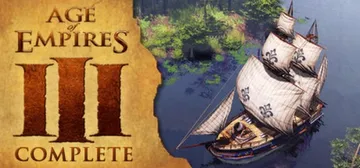
When Age of Empires III (opens in a new tab) came out, I was floored. I nearly missed an important exam because I wanted to keep exploring its campaigns. The heroes gave it another dimension, and it became my all-time favourite game.
Open worlds and mods
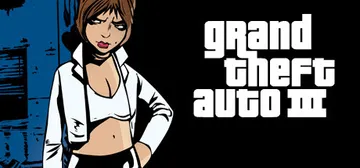
I spent a lot of time in Grand Theft Auto III (opens in a new tab), Vice City (opens in a new tab) and San Andreas (opens in a new tab). San Andreas (opens in a new tab) and Skyrim (opens in a new tab) gave me room to step away when life was difficult. Modding let me go further and change the boundaries of worlds I already enjoyed.
My CJ often wore a green hoodie and trousers, brown boots, a brown hat and a mask that made him feel like a vigilante. He had a green lowrider, Grove Street companions and abilities the original game had never intended. Other times I turned him into Batman and gave him the Tumbler.
I did not discover Skyrim (opens in a new tab) until lockdown, when my flatmates recommended it. My first reaction was: where have you been all my life? After the original game came the modding community, and I spent even more time changing it.
Flying, more spells and enchantments, stronger enemies: there was always something else to add. The Bat of Skyrim (opens in a new tab) was a favourite because it brought a version of Wayne Manor and the Batcave into that world. I spent more time modding Skyrim (opens in a new tab) than playing it. I still recognise that urge to take something apart and ask what else it could become.
 Grand Theft Auto III Rockstar Games / Steam (opens in a new tab)
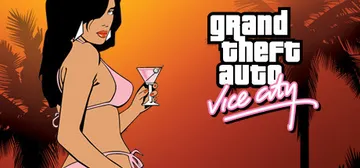 Grand Theft Auto: Vice City Rockstar Games / Steam (opens in a new tab)
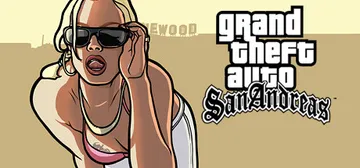 Grand Theft Auto: San Andreas Rockstar Games / Steam (opens in a new tab)
 The Elder Scrolls V: Skyrim Bethesda / Steam (opens in a new tab)
 Skyrim Creations Bethesda / Steam (opens in a new tab)
- The Bat of Skyrim Bethesda / Steam (opens in a new tab)
Chapter 08The worlds I make now
Being Ghanaian and French has shaped my work from the beginning. My characters were never all from one race or part of the world. I imagined people from Africa, Asia, South America and elsewhere sharing a story, with more African characters because those were the cultures and mythologies I understood best.
I have always thought about how someone outside Ghana might enter those stories. Sometimes I adapt the spelling of a local term so an unfamiliar reader can approach and pronounce it more easily. Okyeame became Ochiyamie in my work.
Tohazie, the Red Hunter of Dagbon tradition, is another connection. In my lore he became the Mystic Man, a figure at the core of Loremaker. Those cultural roots sit alongside the books, comics, films and games I have loved.
Loremaker brings together magical worlds, heroes who can fail, connected stories and characters whose perspectives change how we understand an event. It began, in a way, with someone telling me to stop playing for a moment and write. I am still finding out how much can come from that blank page.
Reference image credits
- Hachette Aotearoa (opens in a new tab)
- Hergé / Tintinimaginatio (opens in a new tab)
- DC / Warner Bros. (opens in a new tab)
- Sony Pictures / Columbia Pictures (opens in a new tab)
- IFC Films / Rotten Tomatoes (opens in a new tab)
- Sky / Strike Back (opens in a new tab)
- Daniel Ogren / CC BY 2.0 (opens in a new tab) · Licence (opens in a new tab)
- Gage Skidmore / CC BY-SA 4.0 (opens in a new tab) · Licence (opens in a new tab)
- Gage Skidmore / CC BY-SA 3.0 (opens in a new tab) · Licence (opens in a new tab)
- John Manard / CC BY-SA 4.0 (opens in a new tab) · Licence (opens in a new tab)
- Kathy Hutchins / CC BY-SA 4.0 (opens in a new tab) · Licence (opens in a new tab)
- Greg2600 / CC BY-SA 2.0 (opens in a new tab) · Licence (opens in a new tab)
- Philip Romano / CC BY-SA 4.0 (opens in a new tab) · Licence (opens in a new tab)
- Jay Dixit / CC BY-SA 4.0 (opens in a new tab) · Licence (opens in a new tab)
- Gage Skidmore / CC BY-SA 3.0 (opens in a new tab) · Licence (opens in a new tab)
- Loremaker Explorer · planet texture: Solar System Scope / INOVE
- Bethesda / Steam (opens in a new tab)
- Menelek Makonnen (opens in a new tab)
- Georges Seguin (Okki), CC BY-SA 3.0; resized and converted to WebP (opens in a new tab) · Licence (opens in a new tab)
Get in touch
A good conversation starts somewhere.
Contact meAn idea, a question or a simple hello. Send me a message.